What Makes Australia a Premier Destination for Experiential Learning in Art

Australia's Rich Artistic Heritage
Exploring Australia's artistic heritage is akin to diving into a deep and diverse palette of colors that paints vivid stories of culture and creativity. As someone with a background in conducting creative workshops, I am continually fascinated by the way art is interwoven into the fabric of Australian life. During my visit to Queensland Art Gallery, nestled in Brisbane's vibrant South Bank cultural precinct art installations, I was struck by how the setting exemplifies the nation’s artistic diversity and innovation.
The influence of Indigenous art is exceptionally profound, providing a rich narrative that speaks of ancient traditions and contemporary relevance. The dot paintings and intricate designs, alive with experiences brisbane, reveal a spiritual connection to the land and its stories. As we look at modern art movements, the fusion of traditional techniques and modern visual languages highlights Australia's global influence and unique voice. From the powerful Aboriginal art to avant-garde installations, we see a continuous evolution that celebrates both past and future.
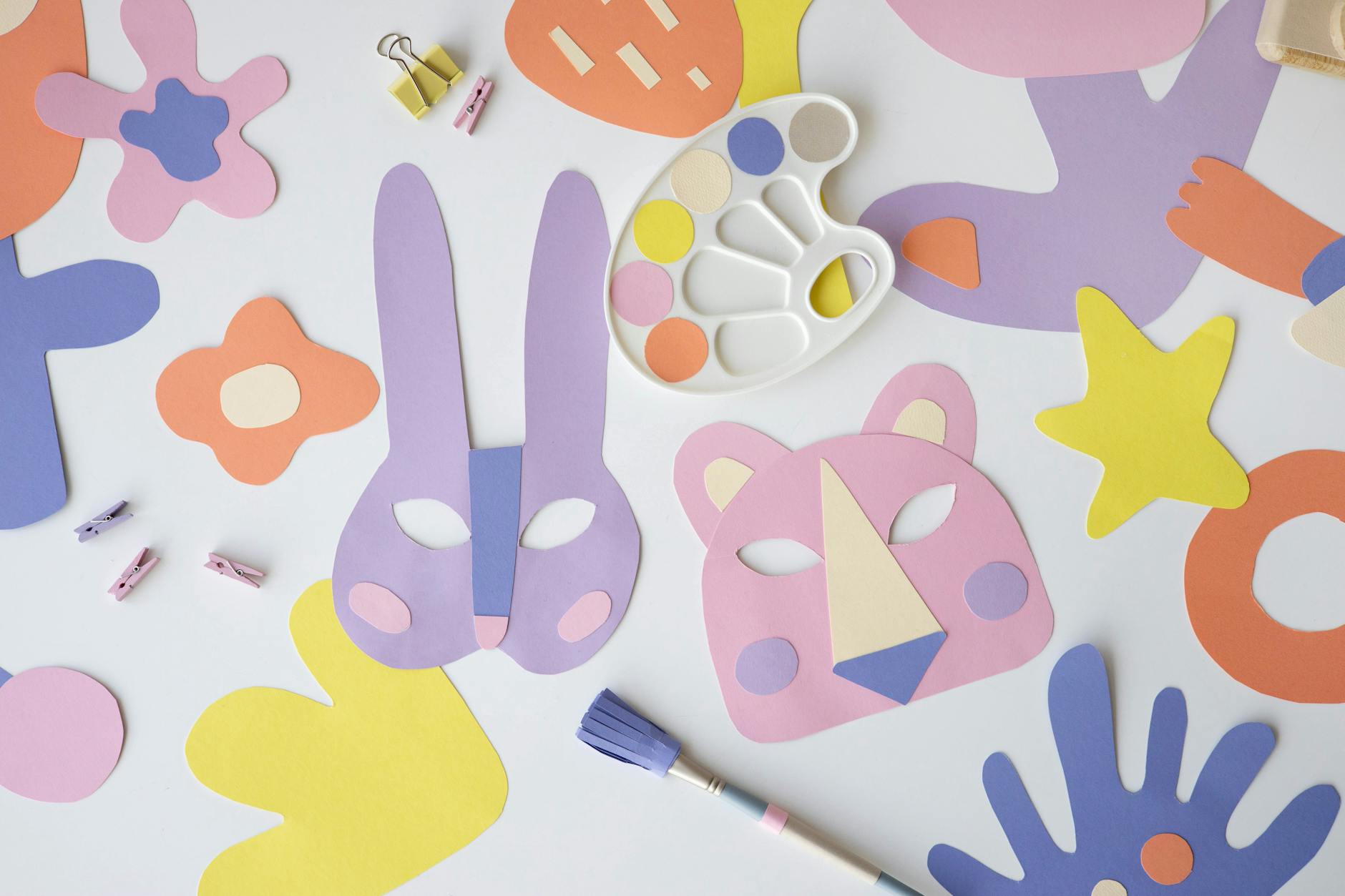
Incorporating art into birthday celebrations can offer unique birthday party ideas that engage and inspire creativity in new ways. Hosting a gathering that includes simple painting sessions or clay modelling can elevate an event into something truly memorable.
Meanwhile, cities like Melbourne offer a dynamic arts scene. With countless experiences melbourne waiting to be explored, it’s little wonder these artistic roots continue to thrive and inspire the next generation of artists.
Experiential Learning Opportunities
Hands-On Art Workshops
Engaging in hands-on art workshops can be a transformative experience, akin to stepping into the vibrant surroundings of the South Bank cultural precinct art installations. These workshops offer experience gifts that provide an opportunity to immerse oneself in the creative process, feeling the texture of the medium and discovering new artistic methods. From printmaking to sculpture, these sessions enhance one's skill set while also stimulating creativity and relaxation. I remember my first workshop at South Bank—seeing the contrast of colors against the Brisbane cityscape was truly inspiring.
Immersive Art Retreats
Immersive art retreats offer a tranquil setting to delve deeply into your artistic pursuits, away from the bustling city life. These retreats create a space where personal growth aligns with creativity. Imagine spending a weekend surrounded by natural beauty, focusing entirely on your craft. These aren't just date ideas sydney for artistic exploration; they’re opportunities to refine your skills and develop a unique artistic voice.
Community-Driven Projects
Community-driven projects encapsulate the essence of artistic collaboration, much like the artisan workshops in New Farm. Here, the focus is on creating shared experiences and connections through collective art-making. Participation in these projects offers invaluable insights into different styles while building relationships with fellow art enthusiasts. Such initiatives also serve as ideal gifts for couples eager to explore their creative chemistry together. Joining a mural-painting initiative or a community sculpture project allows one to contribute to the vibrant art tapestry of Queensland, infusing personal expression into larger works.
Diverse Art Forms to Explore
Pottery and Clay Art
As someone who has dipped my fingers into a lump of clay inside the vibrant artisan workshops in New Farm, I can tell you there's nothing quite like the tactile satisfaction you get from pottery. It's a hands-on experience that lets you sculpt your ideas into reality. Whether you're interested in pottery classes brisbane or planning to get your hands dirty in some pottery classes melbourne, this art form offers a break from the abstract world of code and algorithms.
In pottery, the focus is on the transformation process—from a simple ball of clay to a functional piece. For educators and art teachers, this offers a great opportunity to engage students in experiential learning. They can witness the direct impact of their actions as they knead, shape, and kiln-bake their works to completion. This type of project not only boosts creativity but also instills a sense of accomplishment, contrasting beautifully with technology's intangible nature.
Additionally, pottery classes often create communal settings where participants exchange tips and ideas, making it perfect for those seeking to break out of their comfort zones. These interactions provide fresh perspectives, encouraging the development of new artistic skills. I recall one session where everyone banded together to create a large community mural. It was reminiscent of the collaborative spirit you often find in art installations at the South Bank cultural precinct.
Art Centers and Institutions
Renowned Art Schools
In Australia, the landscape of art education is enriched by a variety of renowned institutions that cater to the diverse interests of budding artists. These schools not only provide foundational training but also specialize in advanced creative pursuits. For instance, the National Art School in Sydney is acclaimed for its intensive focus on experiential learning, creating an environment where one can delve into various artistic styles, much like how pottery classes can offer tactile and immediate feedback akin to pressing clay into form.
Museums and Galleries
Australia boasts a vibrant array of museums and galleries, each offering cultural and educational experiences. The Queensland Art Gallery in Brisbane stands out as a beacon for art enthusiasts, housing captivating exhibitions that span contemporary installations to Aboriginal artworks. With its immersive collections, it educates and inspires educators and learners alike, inviting them to draw parallels between technology and traditional art forms, bridging the gap similar to exploring cooking classes adelaide for culinary creativity.
Cultural Festivals and Events
Beyond permanent exhibits, Australia's cultural scene thrives through a lively calendar of festivals and events. These gatherings celebrate both traditional and contemporary arts, providing a dynamic platform for artists to showcase their talents. Events like the Sydney International Art Series capture the artistic energy of the region, offering opportunities to witness live art demonstrations, much like watching pottery being crafted. Such experiences encourage a deeper appreciation for art’s multifaceted nature, fostering a community where technology and creativity symbiotically coexist.
Begin Your Artistic Journey
Discover Local Workshops
Now, if you're itching to dive into the art scene, there's a treasure trove of local workshops right here in Brisbane. Whether you’re drawn to pottery or something sleek like modern art movements, the city is brimming with opportunities to hone your skills. Seek out artisan workshops in New Farm—these are top-notch spaces where you can mingle with like-minded creatives and learn from professionals. And let’s not forget the immersive experiences at the Queensland Art Gallery, where seasonal workshops often take place.
Prepare to Make Art
Preparation is key, especially if you’re setting foot into this creative journey for the first time. Start by gathering materials like brushes, canvases, or clay, depending on your chosen medium. I remember my first foray into the world of indigenous art influence—underestimating the preparation left me scrambling! Equipping yourself with the right tools not only builds confidence but ensures you’re ready to maximize every moment of your class. Eliminate any distractions and create a nurturing space for your art exploration.
Forge Connections in the Artistic Community
Building connections is invaluable. Attend local events and gallery openings around the South Bank cultural precinct, which are fantastic for meeting other educators who share your passion. Engaging with art communities can offer fresh perspectives and enhance your own practice. Consider collaborating on community-driven projects—they’re not only rewarding but will enrich your understanding of diverse art forms. Let's foster an enriching environment where creativity flourishes, right here in Brisbane.